Ad Astra Per Aspera
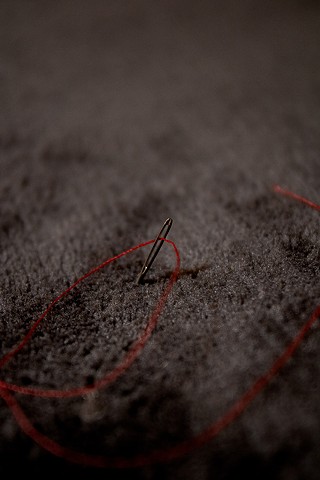
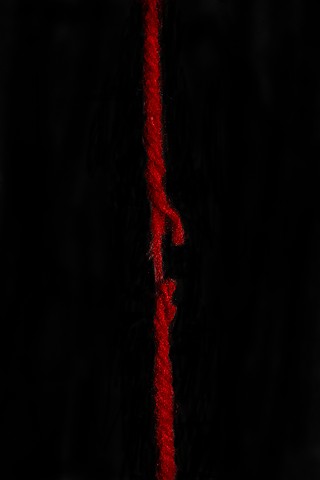
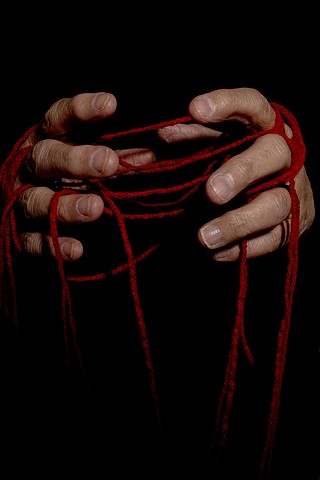
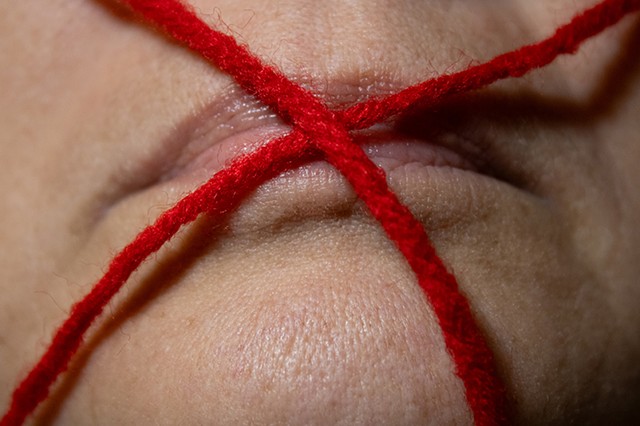
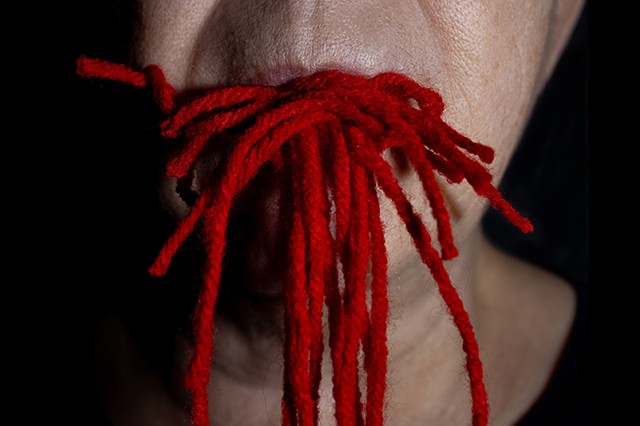
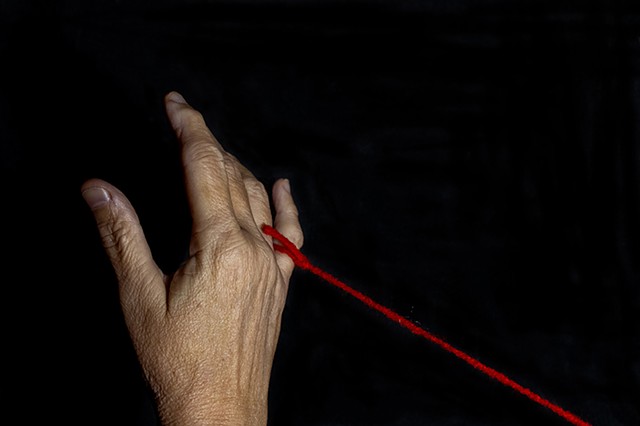
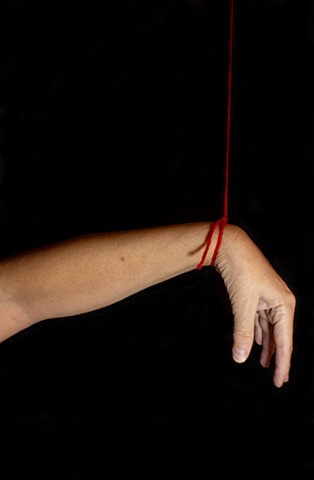
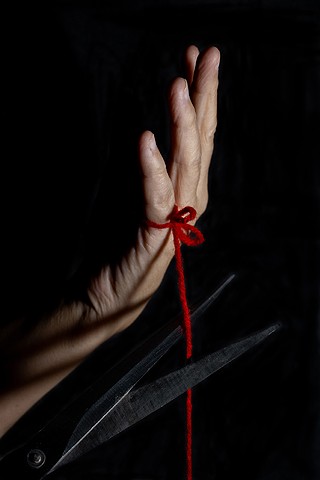
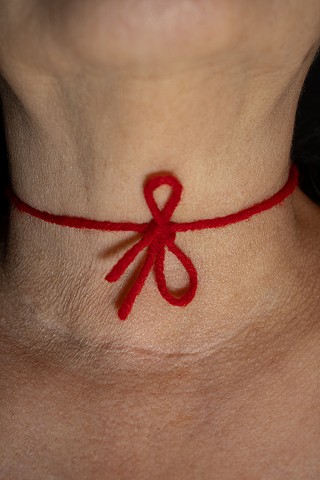
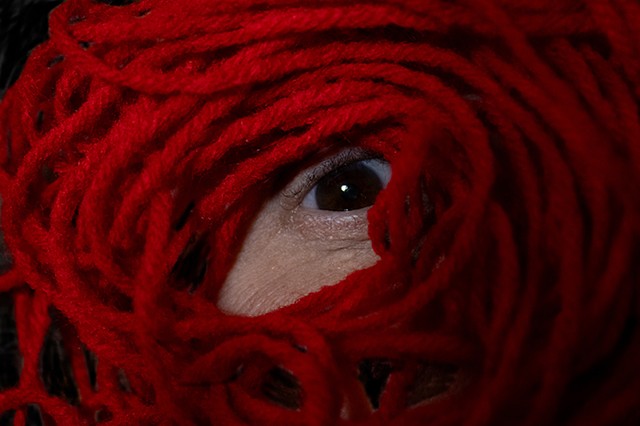
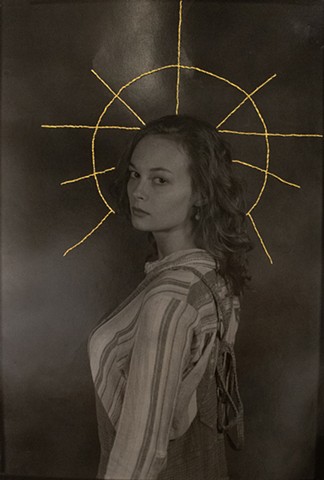
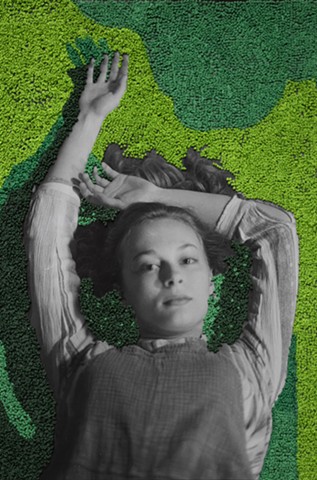
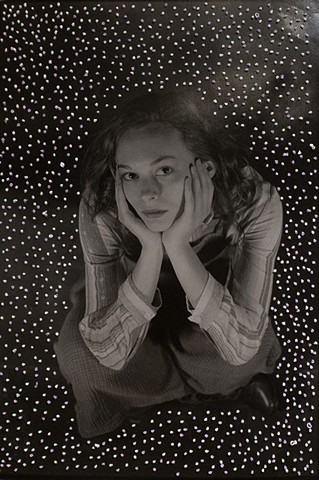
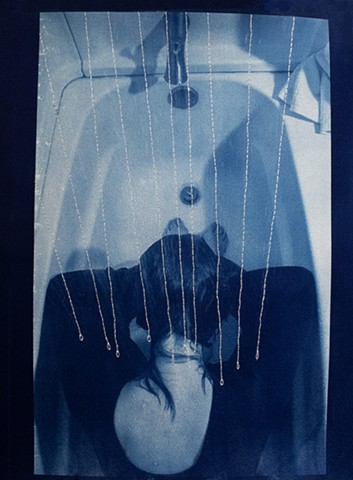
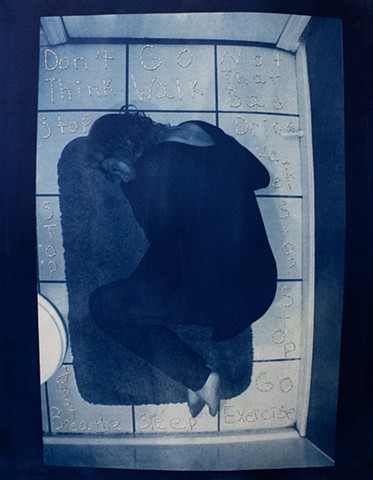
The Work in Ad Astra Per Aspera combines many different mediums: digital photographs, darkroom photographs, cyanotypes, and embroidery. String is present throughout the exhibit, both physically embroidered onto photos and as a subject matter. The digital photographs use string as a narrative device. Whether the string is interacting with a person or on its own in the photo, it serves as a metaphor. The darkroom photos depict a variety of subjects, including nature, a mausoleum, and people. Each photo is delicately embroidered with string, making the photographs tactile. The cyanotypes, an experimental and historical photographic technique, as well as the traditional darkroom silver prints, are embroidered to make them three-dimensional experimental photographs.
Once I had taken pictures, finishing the prints varied depending on the process used. The digital photographs were edited in Photoshop and printed on a large-format printer. These digital photographs were also embroidered. For the darkroom photographs, I processed my negatives, printed the pictures, and toned each photo to enhance contrast. Once the photo was dry and flattened, I worked on the embroidery. I had to learn embroidery for this body of work; the process was extremely delicate because I was using photo paper. The cyanotypes were made in a similar way but with a more involved process. I edited a positive picture into a negative, then exposed the negative on top of the material with an ultraviolet light source. I would then take the paper or fabric and rinse it out with water to turn the photo a deep shade of blue. Just like with the darkroom photographs, I hand-embroidered each cyanotype by hand.
Ad Astra Per Aspera translates to “Through hardship/adversity to the stars”. When I was younger and even still, I am fascinated by myths and mythology. The idea that fate, an external force, controlled your life was central to these myths. Two that stood out to me in particular were The Moirai and The Red String of Fate. The Moirai were three sisters in Greek Mythology who represented a destiny you could not run from. They dictate how your life will play out and what happens in it. In East Asian mythology, there is the Red String of Fate. A red string connects two people fated for each other. The string will eventually bring them together. In these myths, the string represents Fate or Destiny. In both of these myths, people are not in control of their own lives. As someone who deals with anxiety every day, sometimes I feel as though it controls my thoughts, decisions, actions, and life in general. As in the myths, my work represents a sense of my anxiety as commanding through embroidery. Many people have anxiety or other forms of mental health problems. I found peace in making this work, and I hope that people who see it do not feel alone. Luctor et emergo.